How Irish Businesses Are Using SEO & EEAT Content to Become the Go-To Experts in Their Industry
March 23, 2026
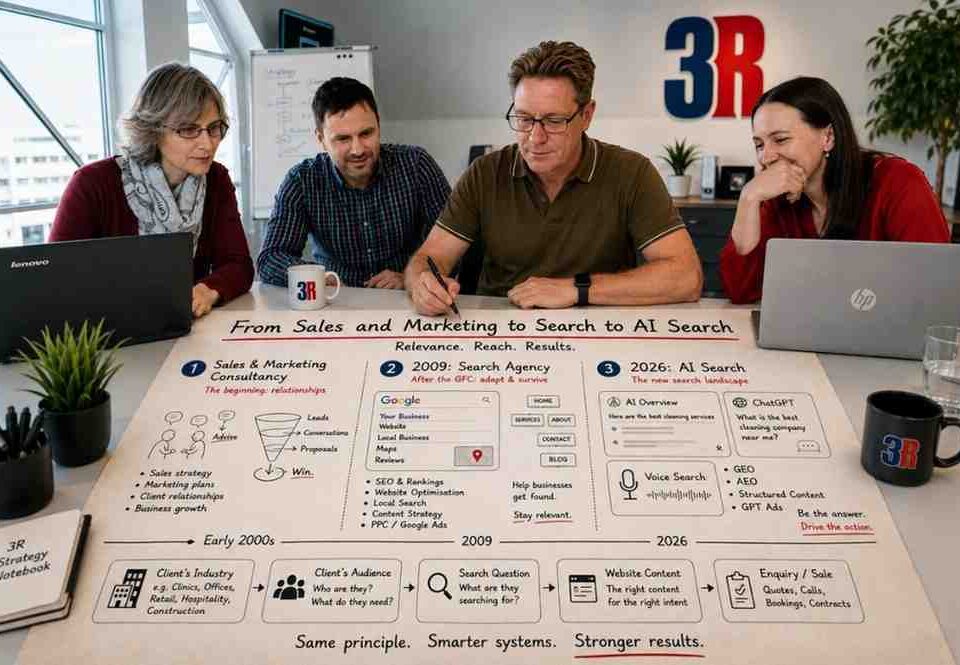
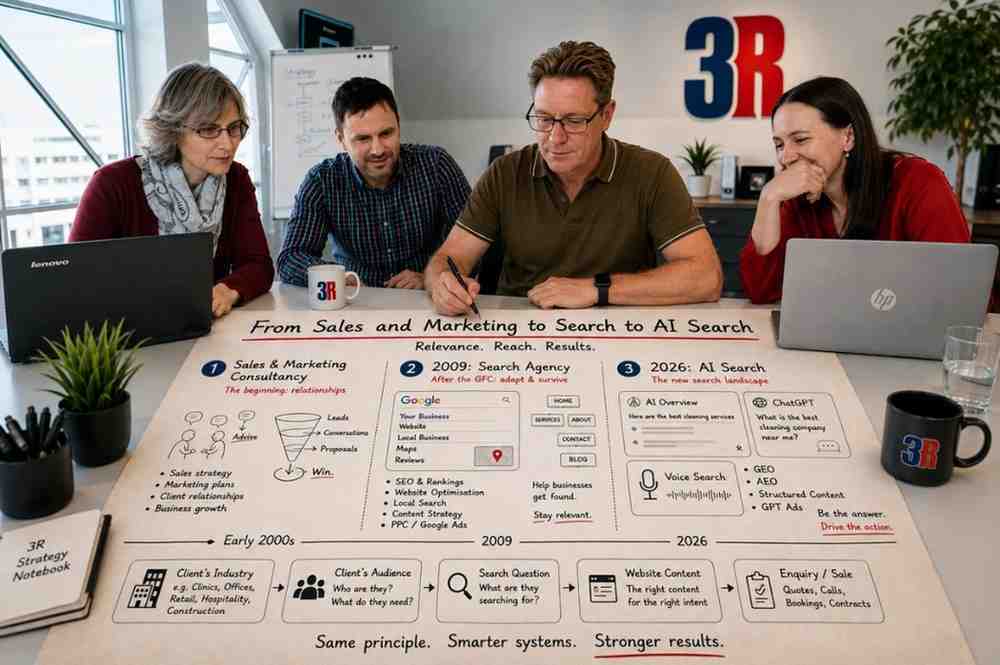
From Celtic Tiger to AI Search: How 3R Mastered SEO Before It Was Cool — And Why That Matters
May 5, 2026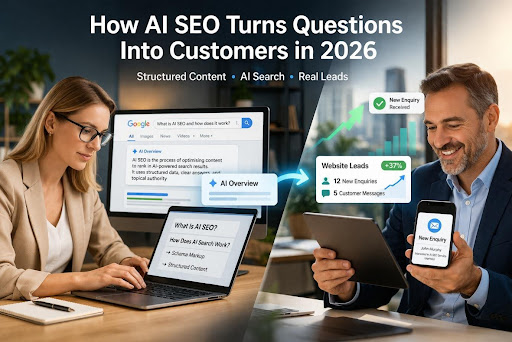
AI SEO is the process of structuring content so search engines and AI systems can understand, summarise and reference it accurately. In 2026, visibility depends on clarity, structured answers, schema markup and topical authority rather than keyword placement alone.
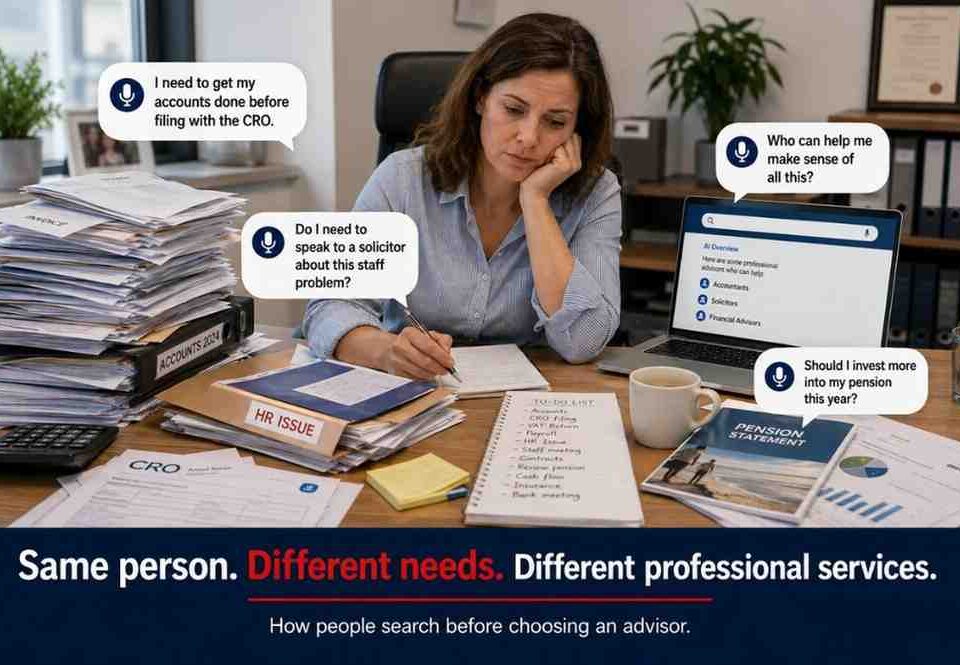
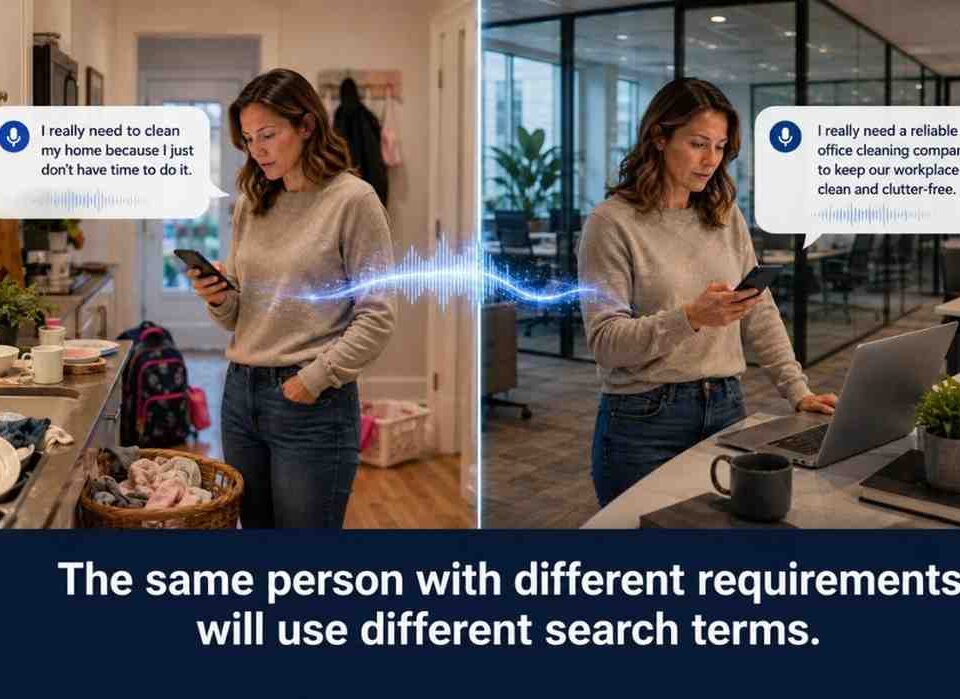
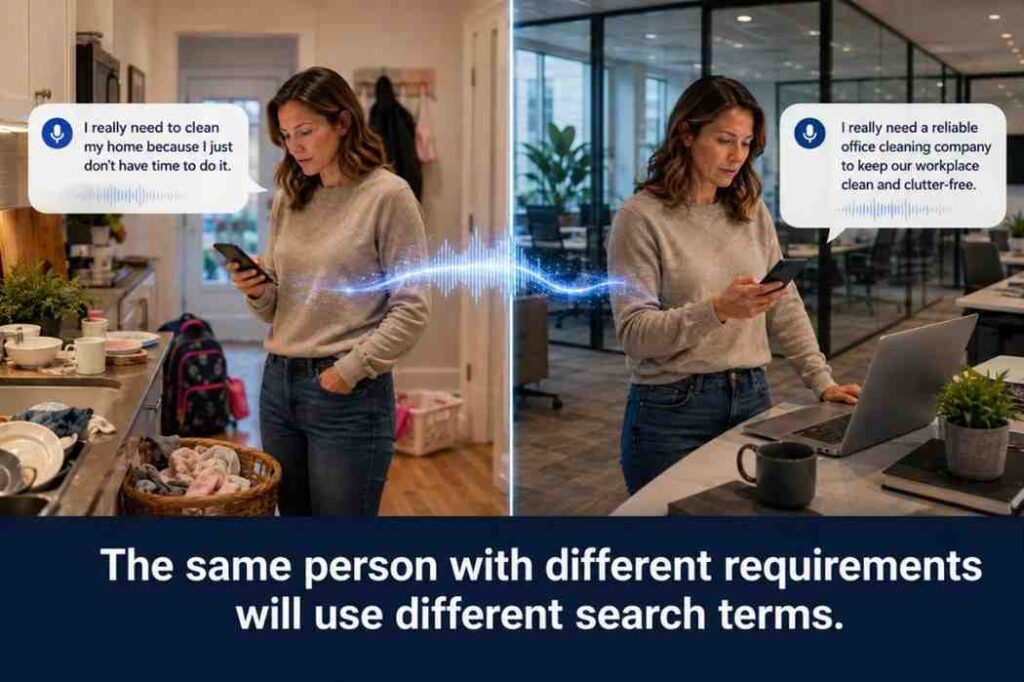
Search behaviour has changed dramatically over recent years. People now ask full questions instead of typing short keyword phrases, and search engines respond with generated summaries instead of simple lists of links. This means businesses must rethink how they create content.
Instead of writing long paragraphs filled with keywords, modern SEO requires:
- clear answers to real questions
- structured content that machines can interpret
- reliable, authoritative explanations
- logical topic coverage
When done properly, AI SEO doesn’t just improve rankings — it improves visibility, trust and lead generation.
Structured summaries are becoming just as important as structured headings. Many modern pages now include concise overview sections — often called TL;DR summaries — that help both readers and AI systems quickly understand the main points of a page. Later in this guide, we’ll explain when and how to use these summaries effectively.
How Is AI SEO Different from Traditional SEO?
Traditional SEO focused on ranking pages using keywords and backlinks, while AI SEO focuses on helping machines understand meaning and context. In 2026, structured content, semantic clarity and authority signals matter more than keyword repetition alone.
For years, SEO revolved around keyword placement and link building. If you included the right keywords and gained enough links, your content would likely rank well.
That model is still relevant — but no longer sufficient.
Modern search engines evaluate:
- what your content means
- how clearly it explains a topic
- whether it answers real questions
- whether your site demonstrates expertise
This shift is why many older websites have seen rankings drop, even when they contain large amounts of content.
What Changed Between Traditional SEO and AI SEO?
AI SEO emerged because search engines now generate answers rather than simply listing results. This shift requires content that explains ideas clearly, follows logical structure and demonstrates authority across related topics.
Several important changes have transformed SEO.
How Do AI Systems Generate Search Answers?
AI-powered search engines analyse questions and generate responses by combining structured information from trusted sources. Instead of simply displaying links, they create summaries that directly answer user queries.
This means your content must:
- explain clearly
- be easy to extract
- provide reliable facts
- demonstrate subject authority
If it does not, AI systems will ignore it.
Why Does Content Structure Matter More Than Keywords in AI SEO?
Content structure helps search engines identify answers quickly. Clear headings, concise summaries and logical sections allow AI systems to extract useful information more easily than unstructured paragraphs.
Think of structured content as a map.
Without headings and organisation, AI systems must search blindly through text. With structure, they can instantly identify relevant sections.
Strong structure includes:
- question-based headings
- short answer paragraphs
- supporting explanations
- bullet lists
This structure benefits both machines and readers.
Why Are Authority Signals Important for AI SEO Rankings?
Authority signals help search engines determine whether your content is trustworthy enough to be referenced in AI-generated answers. These signals include experience, credibility and consistent topical coverage.
AI systems prefer reliable sources.
They evaluate:
- expertise demonstrated across multiple articles
- consistent publishing patterns
- relevance to specific topics
- supporting evidence and examples
Websites that demonstrate real expertise are more likely to be cited.
How Does AI Search Actually Work in 2026?
AI search engines interpret questions, analyse structured content and generate concise responses from trusted sources. Understanding this workflow helps businesses design content that aligns with how modern search engines process information.
Many people assume search engines simply scan pages and rank them.
In reality, AI search follows a structured workflow that evaluates meaning, structure and relevance before producing results.
Understanding this workflow helps businesses create content that matches how search engines operate.
What Is the Typical AI Search Process?
AI search follows a multi-step process that includes understanding the query, discovering relevant sources, extracting information and generating responses. Each step depends heavily on structured content and reliable data.
Let’s examine how this process works step by step.
Step 1 — How Does AI Understand the User Question?
AI systems analyse user queries using natural language processing to identify intent, meaning and context. Instead of matching keywords alone, they determine what the user actually wants to learn.
For example:
Search query:
“What is AI SEO?”
The system identifies:
- informational intent
- need for explanation
- topic category
This allows it to deliver relevant content rather than unrelated results.
Step 2 — How Does AI Discover Relevant Sources?
AI search systems scan trusted websites that contain structured and authoritative content. Pages with clear headings and reliable information are prioritised during this stage.
Content that ranks well often includes:
- structured headings
- clear summaries
- reliable information
- logical topic coverage
Without these elements, content is less likely to be selected.
Step 3 — How Does AI Extract Useful Content From Pages?
AI systems extract concise sections of content such as definitions, summaries and FAQs. Structured paragraphs make this process easier and more accurate.
This is why opening paragraphs matter.
If your content starts with:
- a direct explanation
- relevant keywords
- clear context
AI systems can extract it quickly.
Step 4 — How Does AI Generate the Final Answer?
After collecting relevant information, AI systems generate a clear response that summarises key points from multiple sources. This often appears as a featured snippet or AI overview.
These summaries aim to:
- answer the question directly
- reduce user effort
- present trustworthy information
Your content may appear inside these summaries if it is structured correctly.
Step 5 — How Does AI Attribute Sources and Links?
AI systems may reference the original websites used to generate responses. Pages that provide accurate and structured content are more likely to be cited as sources.
This is where AI SEO becomes powerful.
Being referenced builds:
- authority
- trust
- traffic
It also positions your website as a reliable resource.
Why Is AI SEO Important for Businesses in 2026?
AI SEO is important because customers increasingly rely on AI-generated answers when searching online. Businesses that optimise for AI search gain visibility earlier in the customer journey and attract more qualified leads.
Customer behaviour has changed.
Instead of browsing multiple pages, many users now:
- trust summarised answers
- expect fast results
- make decisions quickly
Businesses that appear early in this process gain significant advantages.
What Happens If You Ignore AI SEO?
Ignoring AI SEO reduces visibility, limits traffic and increases dependence on paid advertising. Businesses that fail to adapt risk falling behind competitors who structure their content correctly.
Several risks arise when AI SEO is neglected.
How Does Poor AI SEO Reduce Visibility?
Poor structure prevents search engines from understanding your content effectively. Without clear headings and summaries, your pages may be overlooked even when the information is valuable.
This leads to:
- lower rankings
- fewer impressions
- reduced engagement
Visibility depends on clarity.
Why Does Ignoring AI SEO Lead to Lost Traffic?
Competitors who optimise for AI search capture more attention and clicks. If their content answers questions clearly, search engines prioritise them instead of your pages.
Traffic loss often occurs gradually.
Over time, this reduces:
- enquiries
- leads
- revenue
How Can Weak SEO Increase Advertising Costs?
Businesses with weak organic visibility rely more heavily on paid ads to generate traffic. This increases costs and reduces long-term profitability.
Organic visibility supports:
- sustainable growth
- lower marketing costs
- stronger brand authority
AI SEO helps achieve these outcomes.
What Are the Core Elements of AI SEO?
AI SEO relies on structured headings, concise explanations, schema markup and topical authority. These components help search engines interpret meaning and deliver accurate responses to users.
Successful AI SEO combines several key elements.
How Do Structured Headings Improve AI SEO Performance?
Structured headings guide both readers and search engines through content logically. Question-based headings align with user queries and improve visibility in search results.
Good headings:
- reflect search behaviour
- contain relevant keywords
- organise information clearly
They also improve readability.
Why Do Clear Summary Paragraphs Improve Rich Snippet Visibility?
Summary paragraphs provide direct answers that search engines can easily extract and display. These concise explanations increase the likelihood of appearing in featured snippets and AI results.
Opening paragraphs should:
- answer clearly
- remain concise
- use natural language
This improves extractability.
What Is Schema Markup and Why Is It Essential for AI SEO?
Schema markup adds structured labels to content that help search engines understand its meaning. It improves eligibility for rich snippets and AI-generated responses.
Common schema types include:
- Article
- FAQ
- LocalBusiness
- Service
These improve machine readability.
How Does Topical Authority Improve AI Search Rankings?
Topical authority is built by publishing multiple related articles that demonstrate expertise in a subject area. Search engines reward sites that provide consistent and reliable information.
Authority builds over time.
Publishing related content:
- strengthens relevance
- improves credibility
- increases ranking potential
How Can Businesses Start Using AI SEO Today?
Businesses can begin AI SEO by auditing content, adding structure and publishing question-based articles. Small improvements often produce measurable gains in visibility and engagement.
You do not need to rebuild your website immediately.
Instead:
Start with focused changes.
Step 1 — How Do You Audit Existing Website Content for AI SEO?
Content audits identify weak structure and missing elements that reduce visibility. Reviewing existing pages helps prioritise improvements.
Look for:
- unclear headings
- long paragraphs
- missing structure
Step 2 — How Do You Add Schema Markup for AI SEO?
Schema markup improves content interpretation by search engines. Adding structured data increases eligibility for rich results.
Use tools such as:
- RankMath
- Schema Pro
These simplify implementation.
Step 3 — How Do You Write Question-Based Content for AI Search?
Question-based content mirrors real search behaviour and improves extractability. This structure helps search engines deliver accurate answers.
Use headings like:
- What is…
- How does…
- Why does…
Step 4 — How Do You Build Supporting Articles for AI SEO?
Supporting articles expand topic coverage and strengthen authority. Each article reinforces relevance and improves ranking potential.
Link related articles together.
This builds:
- topical clusters
- search relevance
- authority signals
How Useful Is a TL;DR Section for AI Citation and Search Visibility?
A well-written TL;DR section helps AI systems quickly understand the core message of a page. It improves extraction accuracy, increases citation likelihood and supports AI-generated summaries by providing a concise, structured overview of key points.
As AI search engines evolve, they increasingly rely on structured summaries to interpret content quickly. While traditional introductions explain context, TL;DR sections act as ready-made summaries that machines can easily extract.
Think of a TL;DR as:
- A machine-friendly summary
- A reader-friendly shortcut
- A citation-ready explanation
When used correctly, it improves both usability and visibility.
What Is a TL;DR Section and Why Does It Matter for AI SEO?
A TL;DR section is a short summary of key points placed near the top of an article. It helps readers understand the main message quickly and allows AI systems to extract structured meaning without scanning the entire page.
TL;DR stands for:
Too Long; Didn’t Read
But in modern SEO, it means something far more valuable.
It acts as:
- A summarised knowledge block
- A structured meaning signal
- A quick-reference guide
For AI systems, this structure reduces ambiguity and improves understanding.
How Does a TL;DR Section Help AI Understand Content Faster?
TL;DR summaries help AI systems identify the main ideas of a page without analysing every paragraph. This increases the likelihood that your content will be included in AI summaries or search responses.
AI systems prioritise:
- clarity
- structure
- relevance
A TL;DR provides all three.
It effectively tells AI:
“These are the most important points on this page.”
That improves:
- extraction speed
- summary accuracy
- citation potential
What Types of Pages Should Include a TL;DR Section?
TL;DR sections work best on long-form educational content where readers and AI systems benefit from quick summaries. They are especially useful on pillar articles and technical guides.
Use TL;DR on:
- Pillar articles
- AI SEO guides
- Schema tutorials
- SEO strategy guides
- Long technical explanations
- Educational how-to articles
These are pages where:
Readers need clarity
AI needs structure
Which Pages Should Not Use a TL;DR Section?
TL;DR sections should be avoided on short or conversion-focused pages where summarisation may distract from the main call to action. Overuse can dilute clarity and duplicate content unnecessarily.
Avoid TL;DR on:
- Landing pages
- Short blog posts
- Testimonials
- Case studies
- Product pages
- Sales-focused pages
These pages prioritise:
Action — not explanation.
What Are the Best Practices for Writing an Effective TL;DR Section?
A strong TL;DR section must be concise, factual and structured. It should summarise key ideas without repeating entire paragraphs or introducing new concepts.
Follow these rules:
Use:
- 5–8 short bullet points
- Clear factual statements
- Simple language
- Direct meaning
Avoid:
- Marketing language
- Long sentences
- Repetition
- Unnecessary detail
Keep it:
Short
Clear
Extractable
TL;DR — When Should You Use TL;DR Sections?
• Use TL;DR on long educational or technical articles.
• Place it after the introduction, not before the title.
• Keep summaries short and factual.
• Avoid using TL;DR on short or sales-focused pages.
• Use TL;DR to improve AI extraction and reader clarity.
This structured summary approach supports both human readers and AI systems by making key information easier to locate and understand.
Where Can You Learn More About AI Search Optimisation?
Understanding AI SEO requires practical guidance and structured examples. A comprehensive resource helps businesses apply these strategies effectively.
Learn more in our complete guide to AI search optimisation and rich snippets:
This resource explains:
- rich snippets
- schema markup
- AI search structure
It acts as the foundation for building AI-ready websites.
Ready to Find Out If Your Website Is AI-Ready?
AI SEO can transform how customers discover your business online. Structured content increases visibility, builds trust and supports long-term growth.
Imagine your website:
- appearing in AI answers
- ranking higher in search
- generating consistent enquiries
What if your website could become your strongest lead-generation tool?
Request a free SEO audit from 3R and discover how your content can be transformed into a powerful business asset.